Commercial solar decisions look different than residential ones. Businesses often deal with demand charges, time-of-use pricing, roof leases, and multi-year budget cycles that homeowners do not. The math still works in Southern California, but only when the system is designed around how your business actually uses power.
Demand Charges Are the Hidden Driver
Many commercial accounts pay demand charges based on their peak 15-minute usage each month. Solar alone reduces total consumption, but paired with properly sized battery storage it can also shave those peaks, which is often where the biggest savings actually come from.
Roof, Ground, or Carport?
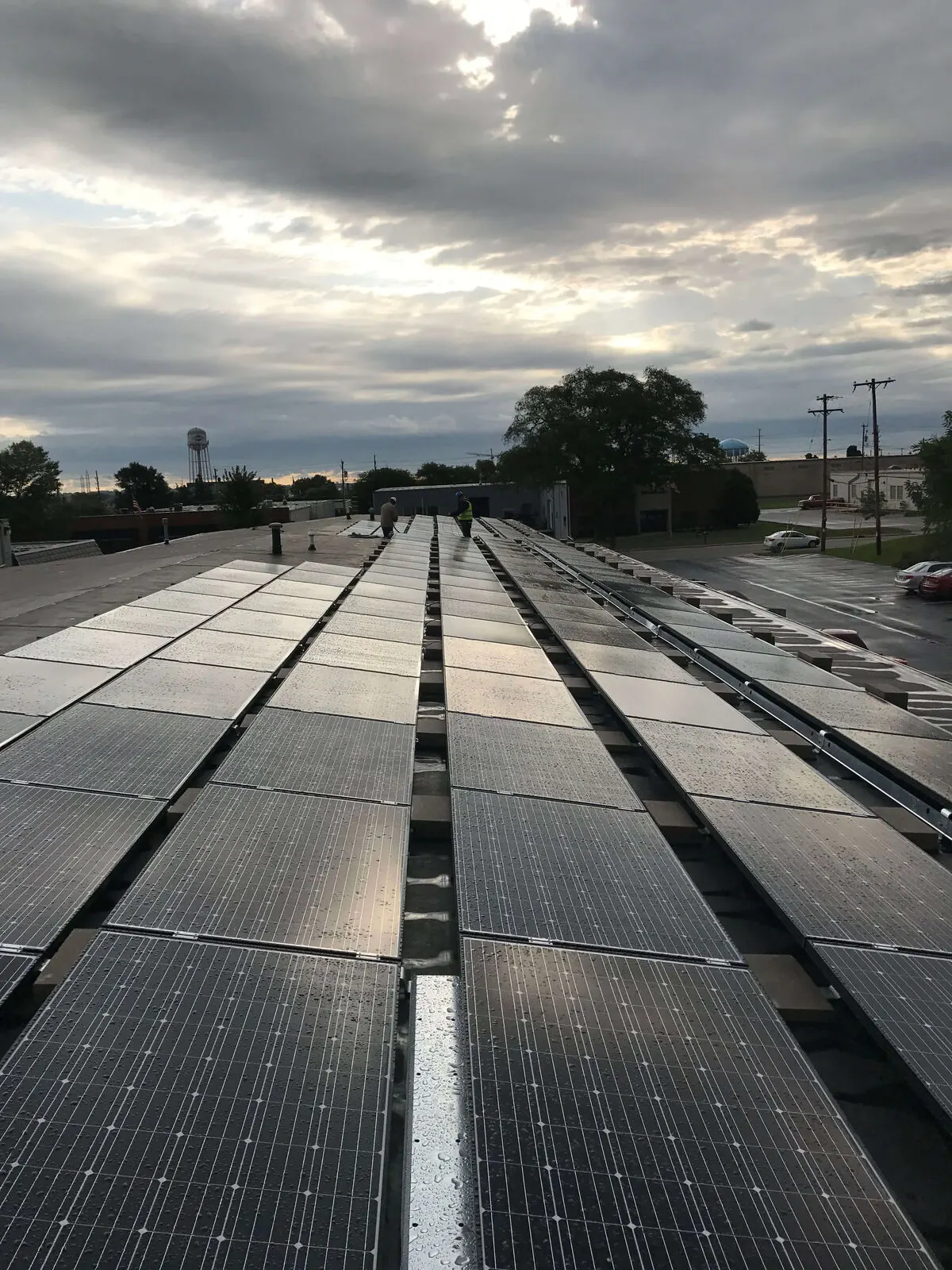
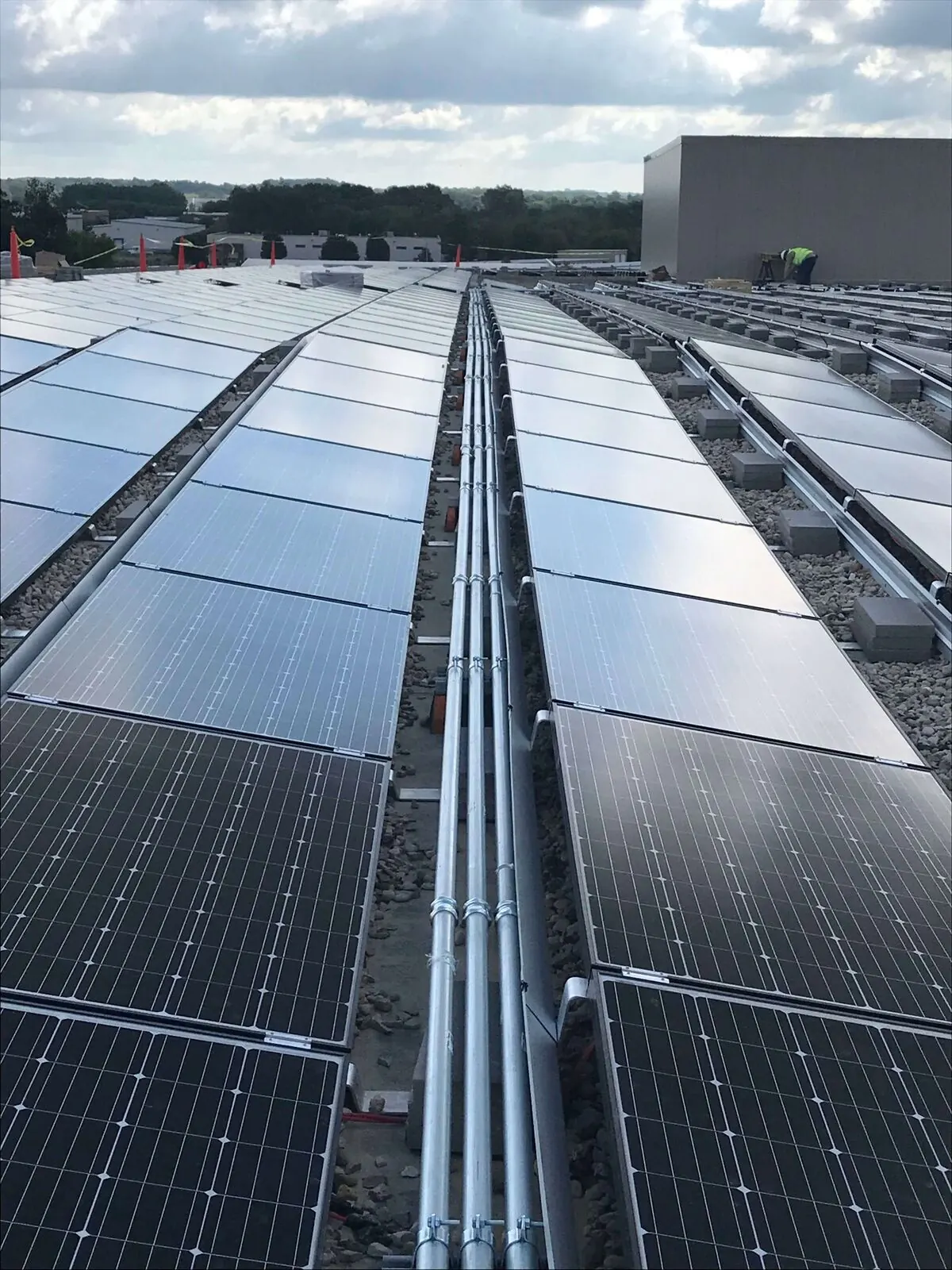
- Roof-mount is usually the least expensive but depends on roof age and structural capacity
- Ground-mount requires available land but avoids roof complications
- Carport systems double as covered parking and pair well with commercial EV charging
Do Not Skip the Panel Assessment
Adding significant solar and battery capacity can require electrical service changes, which is often paired with a commercial panel upgrade. Confirming panel capacity before purchasing equipment prevents expensive change orders mid-project.
Phasing to Match the Budget
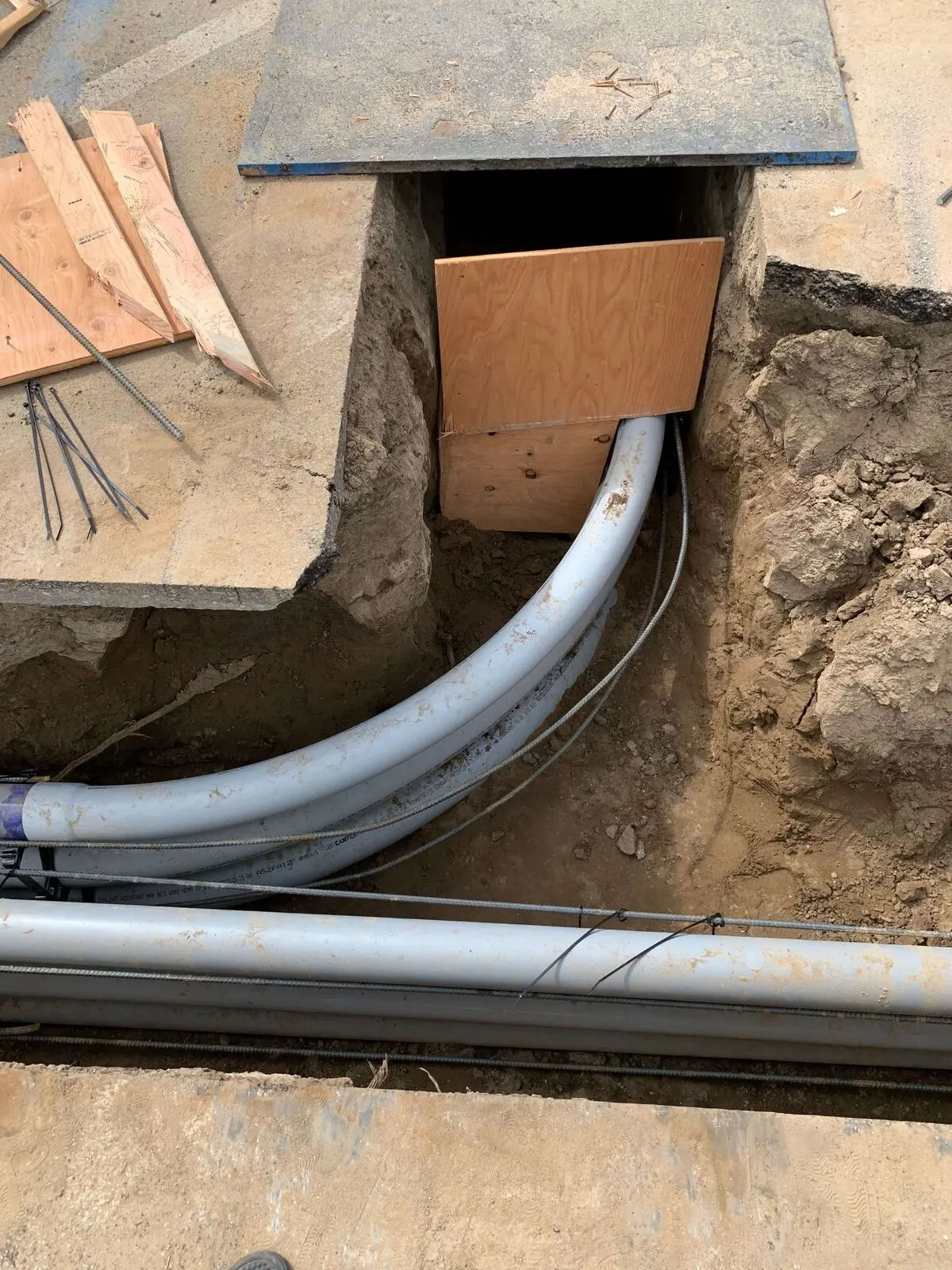
You do not have to install everything on day one. Running conduit and reserving panel space during the first phase lets you expand later without redoing infrastructure. This is one of the most useful cost-control levers for commercial projects.
What About Incentives?
Commercial solar and storage incentives still exist in some forms, but eligibility, funding, and program terms change often. Verify anything specific to your project and utility before including it in your ROI calculation.
Get a Real Site Assessment
Every commercial property is different. Learn more about our commercial and residential solar installation, or request your free estimate and Tim will walk your site, review your utility data, and give you a straight answer about whether commercial solar makes sense and how to structure it.
Ready for a straight answer from Tim?
No pressure, no upsell — just an honest assessment from a licensed local electrician.