If the lights flicker every time the HVAC kicks on, or a breaker trips whenever two pieces of equipment run at once, your business may be outgrowing its electrical panel. This is one of the most common problems TM Electric & Solar sees in Southern California businesses, and it usually gets worse before it gets better. Here is what you need to know before you call an electrician, and what to expect once you do.
Signs Your Business Needs a Panel Upgrade
A few warning signs tend to show up before a panel fails completely:
- Breakers trip often, especially when running multiple pieces of equipment
- Lights dim or flicker when big appliances or machines start up
- The panel feels warm to the touch or you notice a burning smell near it
- You are adding new equipment, a kitchen, an EV charger, or solar and you are told the panel cannot support it
- The panel is more than 20 to 25 years old, or it still uses fuses instead of breakers
If any of these sound familiar, it is worth getting the panel inspected before you plan any new equipment purchases. A panel that is already maxed out will only get more strained as you add load.
What Is a Load Calculation, and Why Does It Matter?
A load calculation is how an electrician figures out how much electrical power your building actually needs, based on your equipment, hours of operation, and future plans. It is not a guess. It is a documented estimate that answers a simple question: can your existing service and panel safely handle what you are asking it to do?
This matters because guessing wrong in either direction costs you money. Undersizing a panel means you will be back here again in two years, paying for another disruption. Oversizing it means paying for capacity you will never use.
What Happens During a Site Assessment
Before TM Electric & Solar recommends anything, a site assessment comes first. This typically includes:
- A walkthrough of your existing panel, service size, breaker capacity, and wiring condition
- A review of your equipment, operating hours, and any planned additions like EV charging, solar, or new machinery
- A conversation about access, parking, and whether work can happen during business hours or needs to be scheduled after hours
Bringing utility bills, panel photos, and a rough equipment list to this conversation speeds things up considerably.
Will This Shut Down My Business?
This is usually the first question business owners ask, and it is a fair one. The honest answer is that it depends on the scope. Some electrical work can be completed while you stay open. Anything involving the main switchgear, service equipment, or panel itself may require a planned shutdown, because that equipment cannot be worked on safely while it is energized.
The good news is that shutdowns can usually be scheduled around your slowest hours, and a reputable electrician will walk you through exactly how long you will be without power before any work begins. There should be no surprises on the day of installation.
What If the Existing System Is Outdated?
Sometimes a panel upgrade uncovers bigger problems: obsolete breakers, damaged wiring, or a service size that was never adequate to begin with. When this happens, TM Electric & Solar documents exactly what needs correcting and explains the options in plain terms, whether that means replacing the panel, upgrading feeders, or coordinating a full utility service upgrade. You should never be left guessing why the price changed halfway through a project.
Permits, Inspections, and Utility Coordination
Most commercial panel upgrades require an electrical permit and a final inspection from the local building department. Larger upgrades, especially those involving a new service size or transformer capacity, may also require coordination with your utility company. This adds time to the schedule, but it also protects you. A permitted, inspected job means there is a documented record that the work meets code, which matters for insurance, resale, and future expansions.
Planning Ahead for EV Chargers, Solar, and Equipment
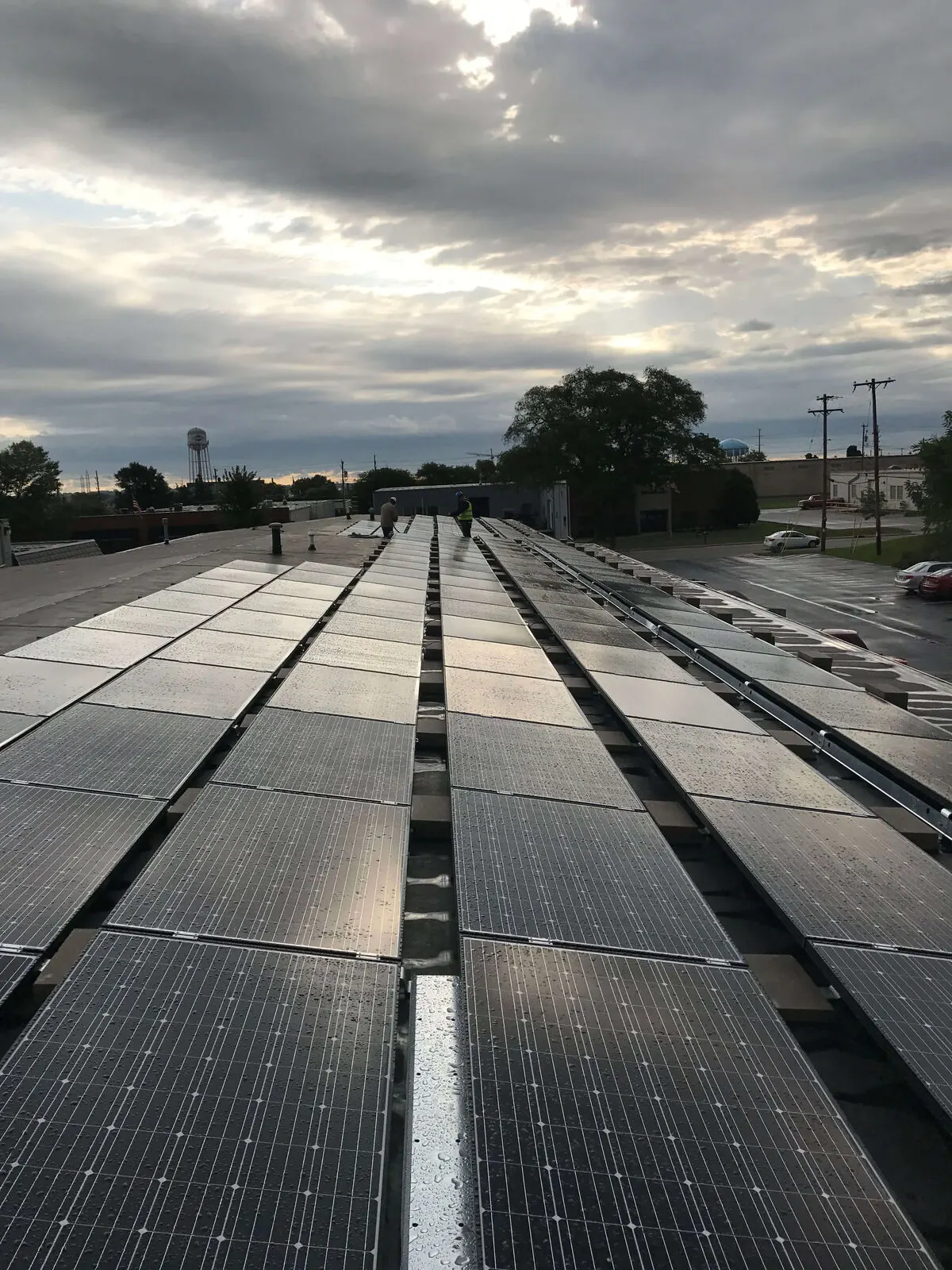
If you are even considering adding commercial EV charging stations or solar in the next few years, mention it during the panel upgrade conversation. Adding extra capacity or conduit now, while the panel is already open, is almost always cheaper than coming back to redo it later. This kind of planning is also relevant if you are weighing solar and battery storage for your facility, since both draw on the same panel capacity.
Why This Isn't a DIY or Handyman Job
Commercial electrical work involves higher amperage, more complex code requirements, and real safety risk. A licensed commercial electrician carries the insurance, training, and permitting relationships to do this correctly and to stand behind the work. If something is missed, the cost of fixing it later, plus any downtime it causes, is almost always higher than doing it right the first time.
What Actually Drives the Cost
There is no single flat price for a commercial panel upgrade, because the cost depends on several specific factors, not just the size of the new panel:
- Current service size and how much it needs to increase. Going from 200 amps to 400 amps is a bigger job than adding capacity within an existing service.
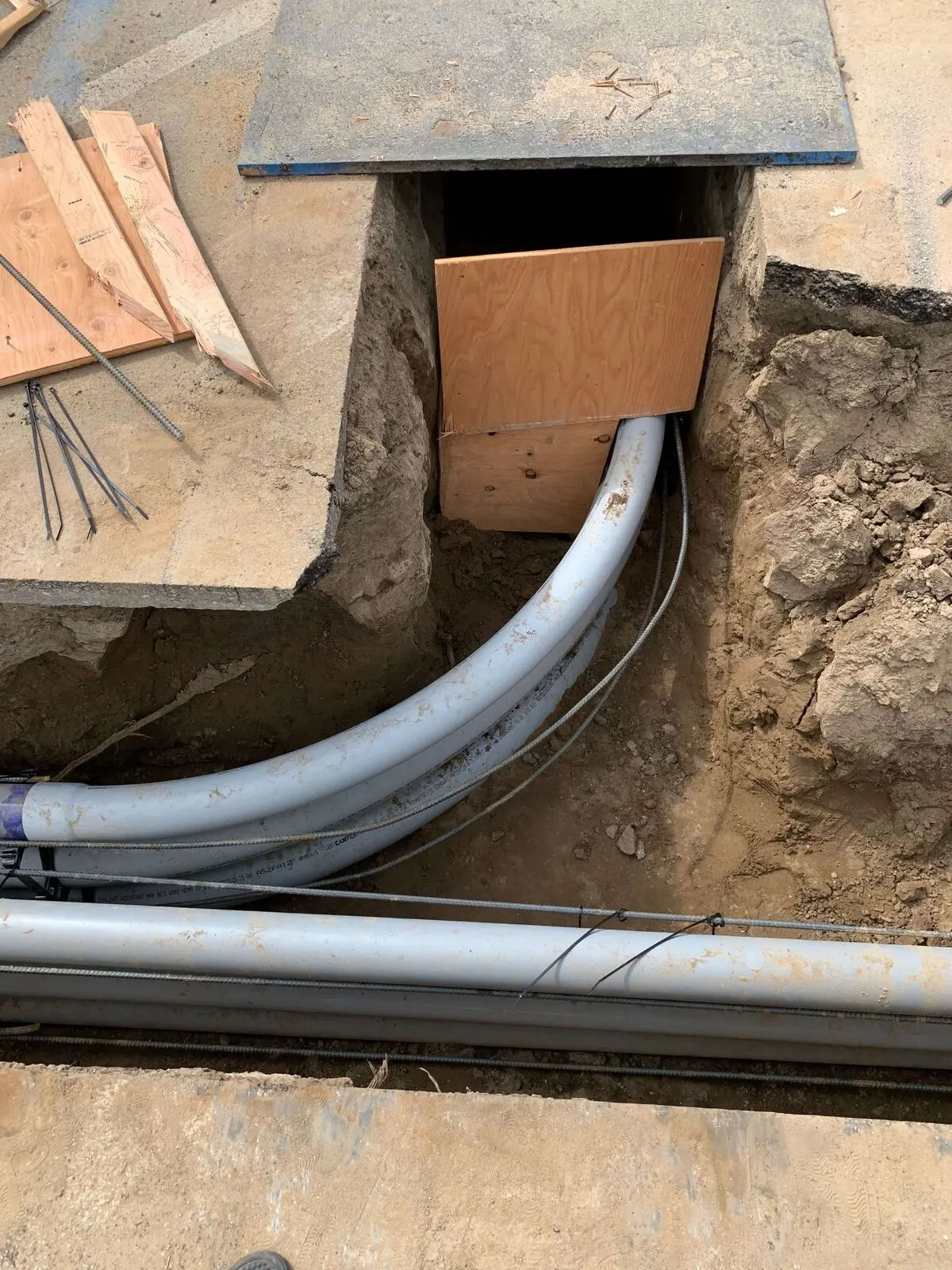
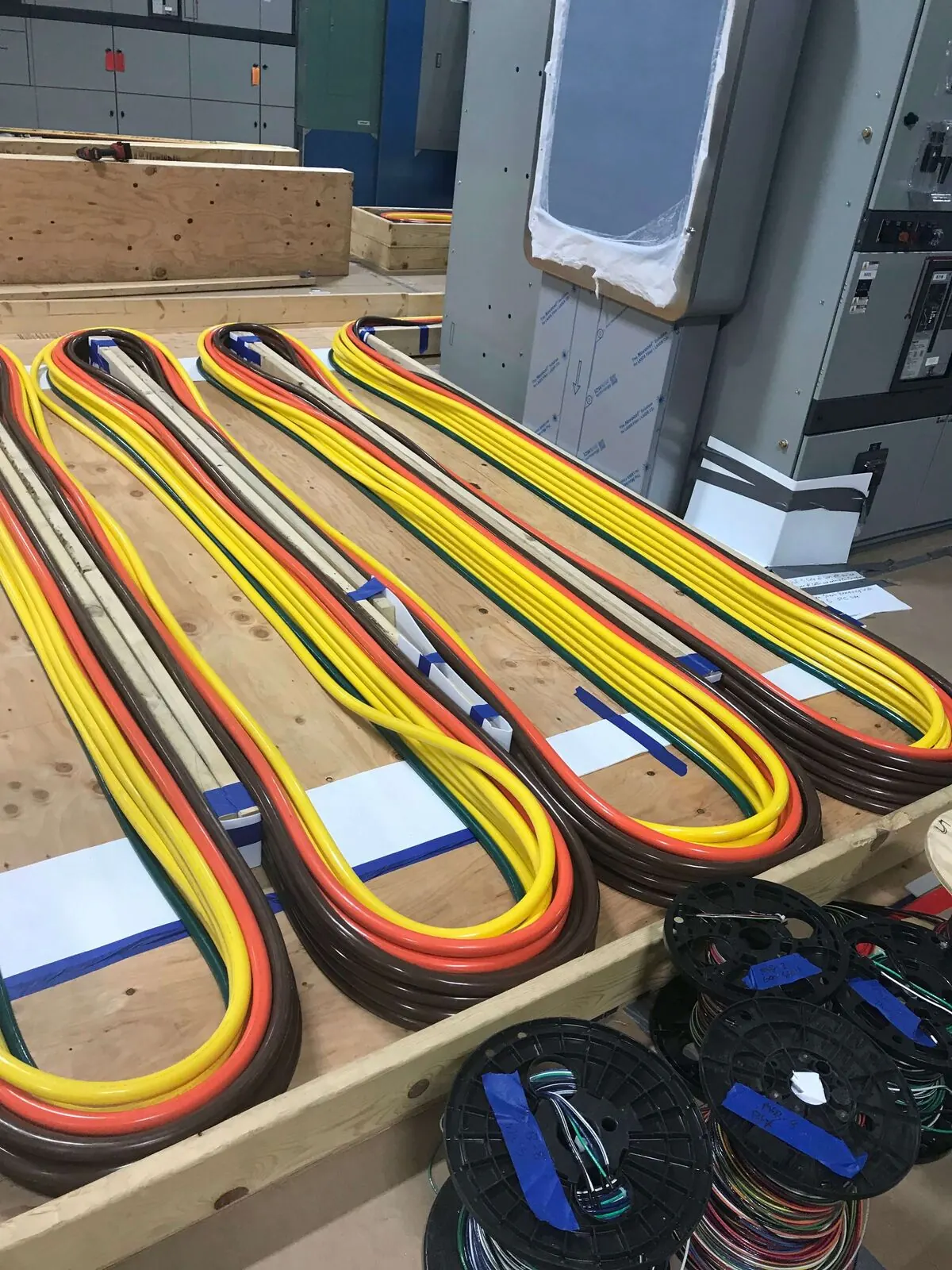
- Distance and routing. If the new panel needs to be relocated, or feeders need to run a long distance, labor and material costs go up.
- Utility involvement. If the upgrade requires a new transformer or a change to your utility service, that adds both cost and time, since the utility controls its own scheduling.
- Condition of existing equipment. If wiring, grounding, or conduit behind the wall is outdated or damaged, that gets addressed as part of the same project rather than left as a hidden problem.
- Permit and inspection fees, which vary by city and county.
The only way to get an accurate number is a site visit. Anyone quoting a firm price over the phone without seeing your panel or service is guessing.
Quick Answers to Common Questions
How long does a commercial panel upgrade actually take? The physical work itself is often one to three days for a straightforward upgrade. The full project timeline, including design, permitting, and any utility coordination, can run anywhere from a few weeks to a couple of months depending on your city's permit turnaround and whether utility work is involved.
Will we lose power the entire time? No. In most cases, the building only loses power during the actual swap, which is typically scheduled for a single planned window, not the entire project duration.
What if we are leasing the building? Electrical upgrades on a leased commercial space usually require landlord approval, and sometimes the landlord's own electrician or property management team needs to be looped in. It is worth having that conversation before scheduling a site visit so there are no delays once the project is ready to move forward.
Can this wait, or is it urgent? Warm panels, burning smells, or frequent tripping are not something to wait on. Those are signs of a real fire and safety risk, not just an inconvenience, and should be looked at right away.
Get a Straight Answer From Tim
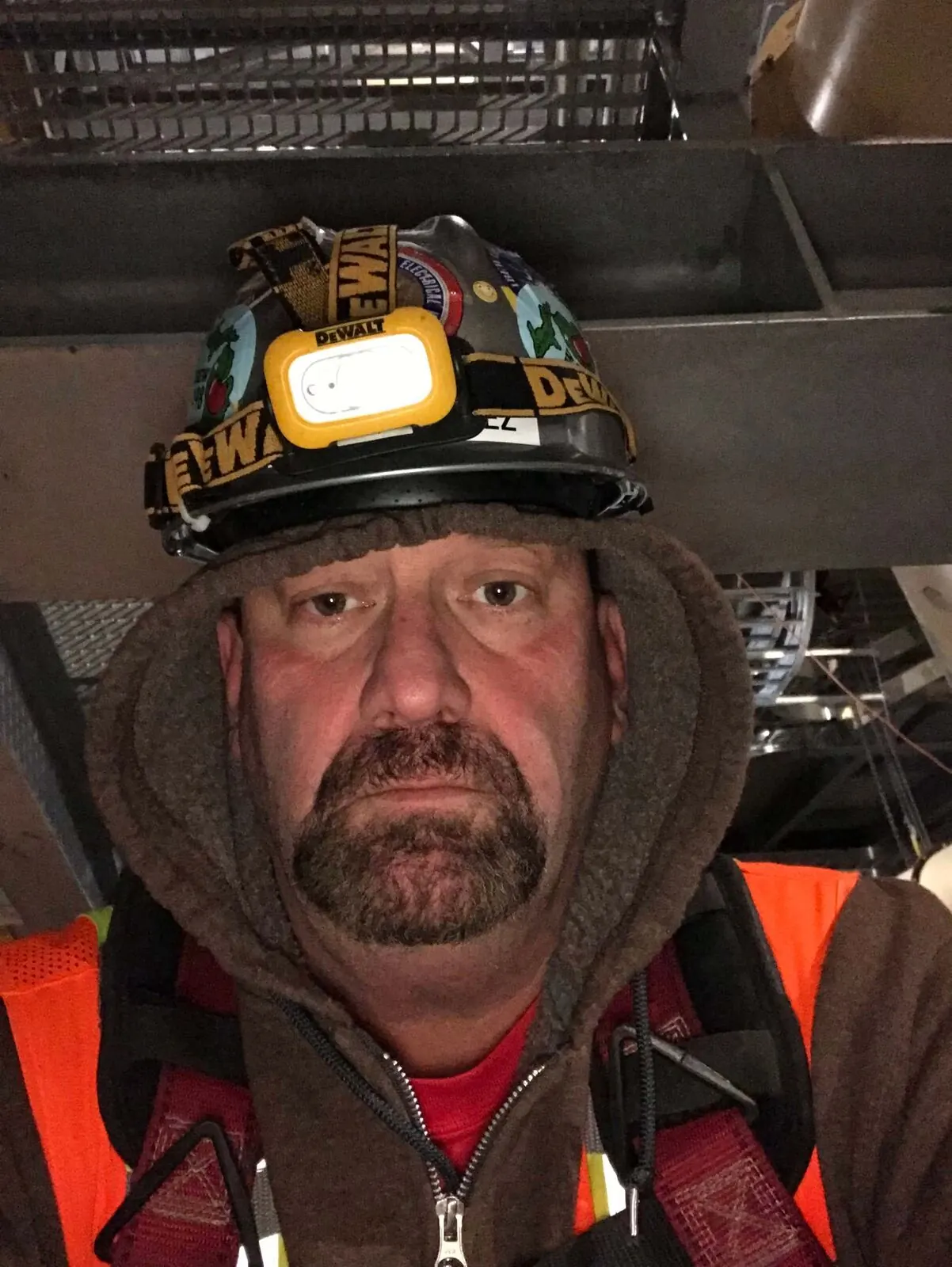
If your panel is tripping, aging, or holding your business back from growing, the fastest way to find out what is actually going on is a site assessment. Tim, the owner of TM Electric & Solar, personally reviews commercial projects across Southern California and will give you a clear, honest picture of what your building needs and what it will cost, with no pressure and no upsell. Request your free estimate today to schedule a walkthrough and get a real answer instead of a guess.
Ready for a straight answer from Tim?
No pressure, no upsell — just an honest assessment from a licensed local electrician.