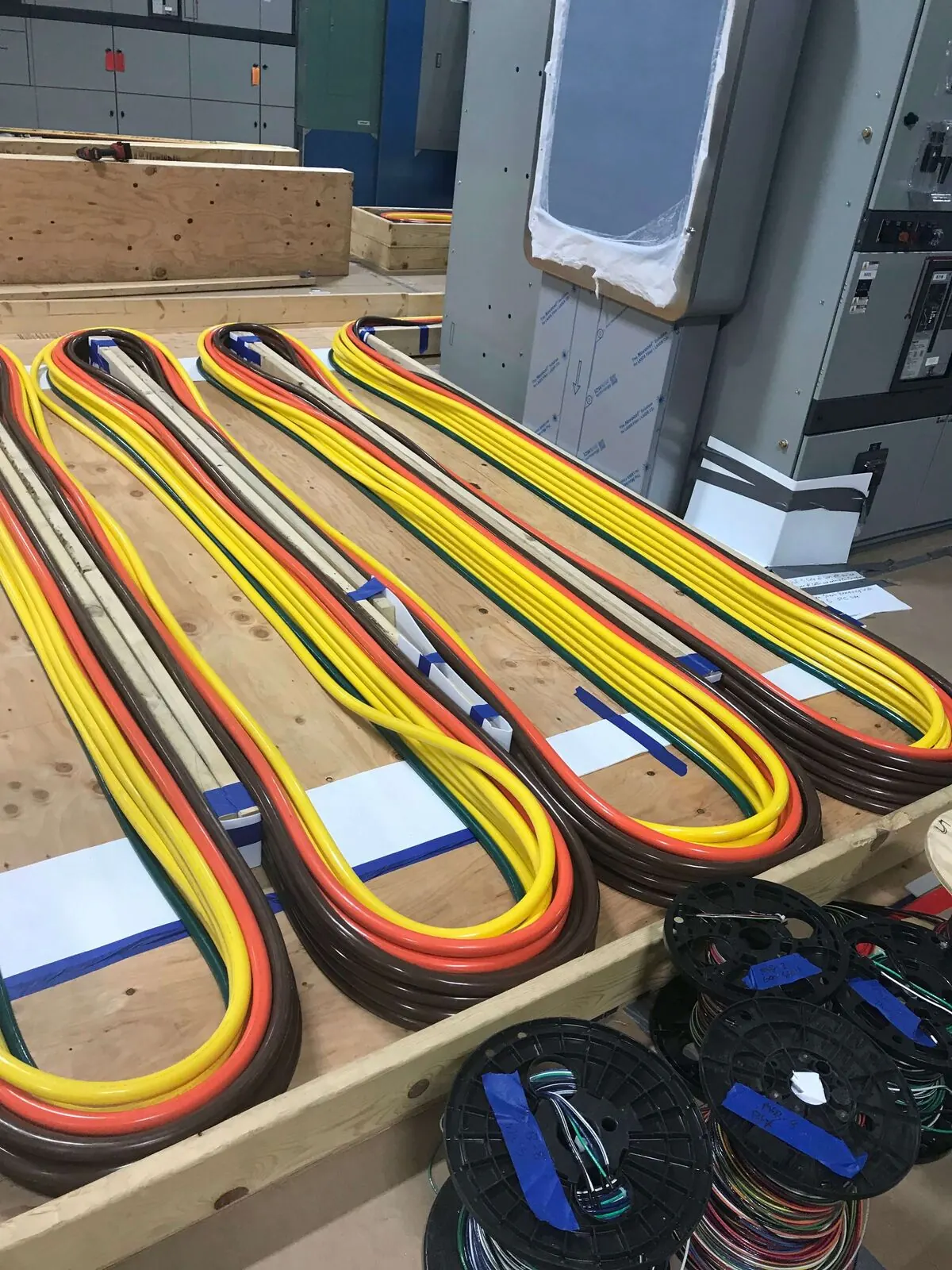
Employees, customers, and fleet vehicles are all showing up with electric vehicles now, and more businesses are getting asked the same question: does this property have a place to charge? Installing commercial EV charging is not as simple as buying a charger and plugging it in, but it also does not have to be an overwhelming project. Here is what actually goes into it.
Start With the Right Question: How Many Chargers Do You Actually Need?
It is tempting to think more chargers or faster chargers are always better, but that is not quite true. The right number depends on:
- How many employees or customers realistically need to charge at once
- How long vehicles typically stay parked (a fleet vehicle parked all day does not need DC fast charging)
- Your available electrical capacity
- Your budget and any incentive program requirements
- Expected growth over the next three to five years
A property with vehicles parked for eight hours a day rarely needs fast charging. Level 2 charging, which uses a dedicated 240-volt circuit, is usually the right fit for workplaces, fleets, and long-dwell-time parking.
Does Your Property Have Enough Electrical Capacity?
This is where most commercial EV projects either move forward smoothly or stall out. Before any charger goes in, TM Electric & Solar evaluates your existing electrical service, panel capacity, and current demand. If you are already near capacity, you have three general paths:
- A utility service or panel upgrade to add capacity, which is often paired with a commercial panel upgrade
- Load management technology that shares available power across multiple chargers instead of requiring full capacity for each one
- A smaller number of chargers or lower-power units that fit within existing capacity
Load management is often the most cost-effective option, since it can reduce or delay the need for a full utility upgrade.
Phasing the Project to Control Cost
You do not have to install every charger you will ever need on day one. A phased approach installs the chargers you need now while preparing the conduit, panel space, and networking for future chargers. This is almost always cheaper than digging up a parking lot twice. If EV demand is trending up but the budget is not there yet for a full build-out, ask about phasing during your site assessment.
Do You Need Networked Chargers?
Not every business needs a networked, internet-connected charging station, but many do. Network connectivity becomes important if you plan to:
- Charge fees for employee, tenant, or public use
- Track energy use for reporting or reimbursement
- Monitor chargers remotely or receive maintenance alerts
- Manage access so only authorized vehicles can charge
A private fleet lot with no billing needs may do fine with simpler, non-networked chargers. A retail location that wants to offer paid public charging almost certainly needs a networked system.
Accessibility and Site Planning
Accessible parking, routes, equipment height, and clearances may apply depending on your project and local jurisdiction. This is one of those details that is far easier and cheaper to address during design than to retrofit after the concrete is poured and the chargers are mounted. Site planning should happen before equipment is purchased, not after.
Can Solar Help Offset the Cost of Charging?
Yes, and this is worth thinking through early rather than as an afterthought. Solar can offset part of the energy your chargers use, and battery storage can help manage peak demand charges, which is often a bigger cost driver for commercial accounts than the electricity itself. If your facility already has, or is considering, solar and battery storage, it makes sense to plan the EV charging and solar systems together rather than as two separate projects.
What About Rebates?
EV charger rebates do exist through some Southern California utilities and programs, but eligibility depends on your utility, property type, equipment, and program funding, which changes often. Do not assume a rebate is available or lock in a budget around one until it has been verified for your specific project.
Permits and Utility Coordination
Commercial EV charging almost always requires an electrical permit and final inspection. Larger installations, especially those involving multiple fast chargers or a service upgrade, may also require utility coordination for transformer or service capacity. This adds time to the schedule, so it is worth starting the conversation with your electrician and utility as early as possible in the project.
What Drives the Cost of a Commercial Installation
Every property is different, but the same handful of factors tend to determine the final price:
- Distance from the electrical panel to the parking area. A charger installed near the panel costs far less than one installed across a large lot or in a separate structure.
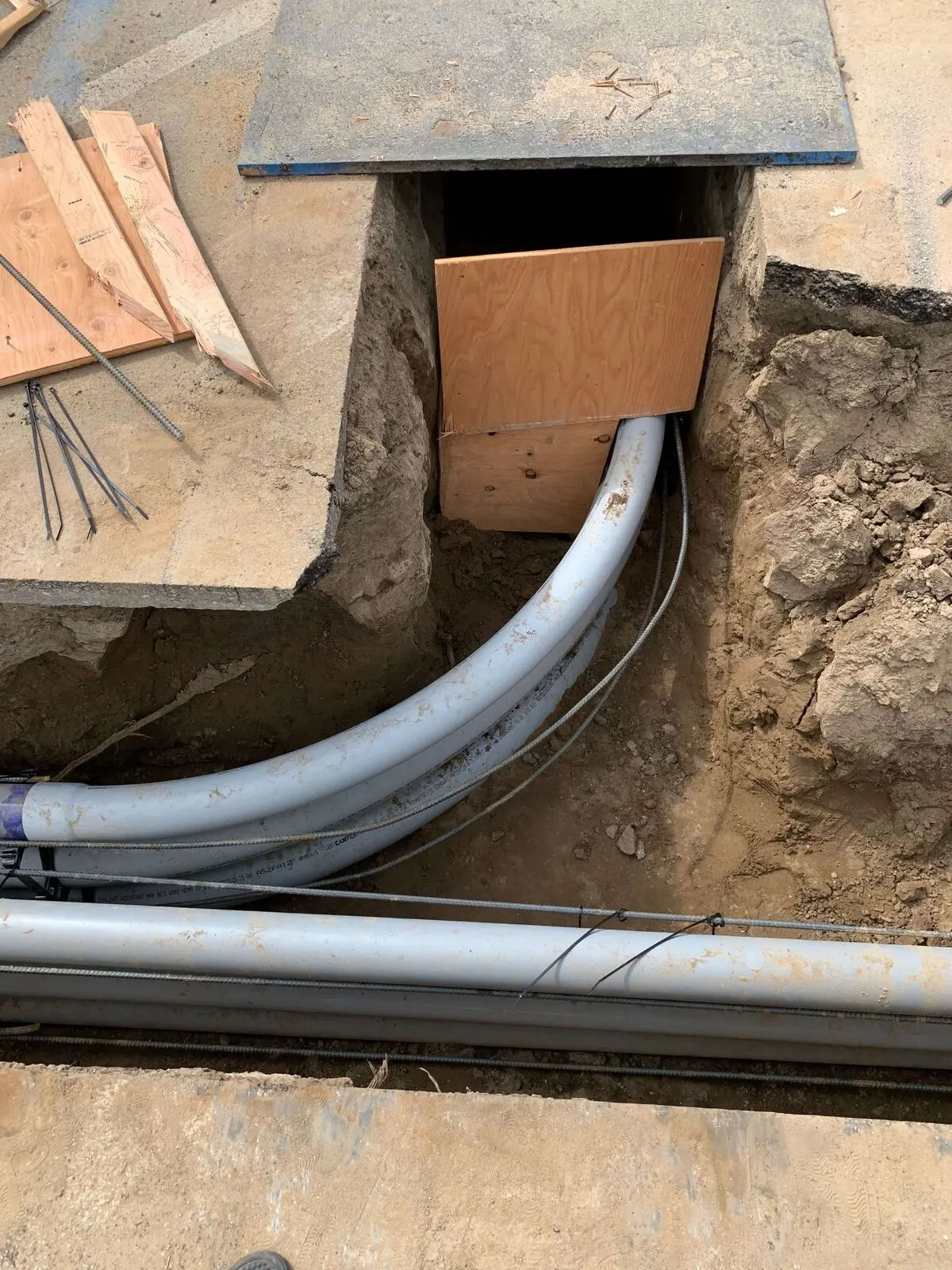
- Trenching and conduit. Running power underground across a parking lot is typically the single biggest cost driver on larger properties.
- Panel and service capacity. If you need a panel upgrade or utility service increase to support the chargers, that gets priced in as its own line item.
- Number and type of chargers. A single Level 2 charger is a very different project than six networked chargers with load management.
- Networking and payment systems. Adding connectivity, user authentication, or payment processing adds equipment and setup cost beyond the electrical work itself.
Getting a real number requires a site visit, not a phone estimate. Photos and a rough scope can support an early ballpark, but the final price depends on what is actually behind the walls and under the parking lot.
Quick Answers to Common Questions
Do employees or customers need to pay to use the chargers? That is entirely up to you. Some businesses offer free charging as a perk, others use networked chargers to charge session fees or bill tenants. The right setup depends on your goals and the charger network you choose.
What if we only need one or two chargers right now but expect to grow? This is exactly what phased design is for. We can install what you need today while running extra conduit and leaving panel space for future chargers, so expansion later does not mean tearing up the parking lot again.
Do we need to upgrade our electrical service just to add a couple of chargers? Not necessarily. Many properties have enough spare capacity for one or two Level 2 chargers without any service changes. It depends entirely on your current electrical load, which is why the assessment comes before any equipment decisions.
How disruptive is installation for an operating business? Most of the work, trenching and conduit, can happen without interrupting daily operations. Any work directly inside the electrical panel may require a brief planned shutdown, which can usually be scheduled outside business hours.
Talk to Tim Before You Buy Equipment
The biggest mistake businesses make is purchasing chargers before confirming the property can support them. Before you spend a dollar on equipment, get a straightforward electrical assessment. Tim, the owner of TM Electric & Solar, will walk your property, review your electrical capacity, and give you a realistic plan built around what your business actually needs now and where it is headed. Request your free estimate to schedule your commercial EV charging assessment.
Ready for a straight answer from Tim?
No pressure, no upsell — just an honest assessment from a licensed local electrician.
More from the blog
How to Choose a Solar Installer in North County San Diego (2026 Guide)
Read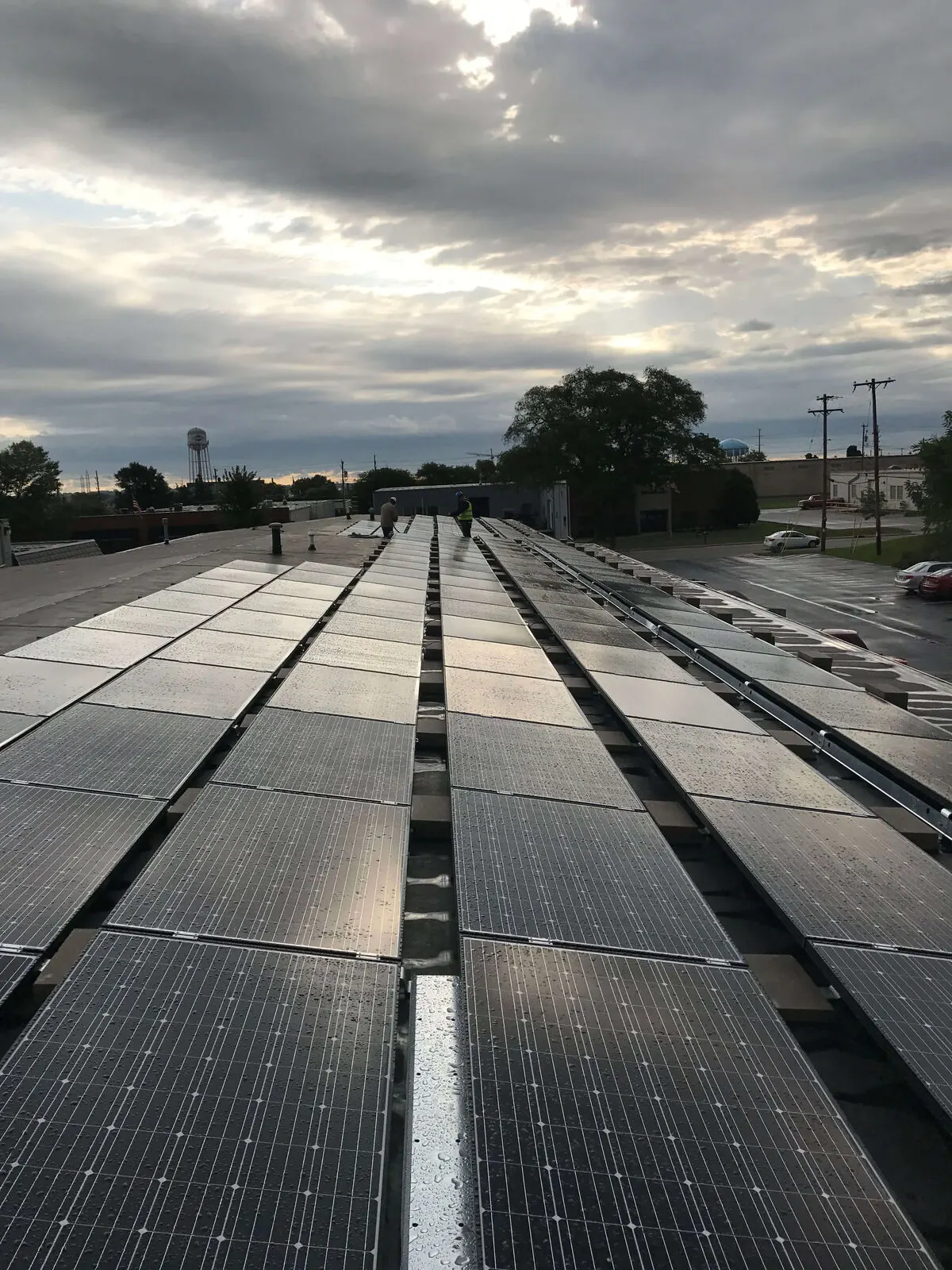
Commercial Electrical Panel Upgrades in Southern California: What Business Owners Need to Know
Read