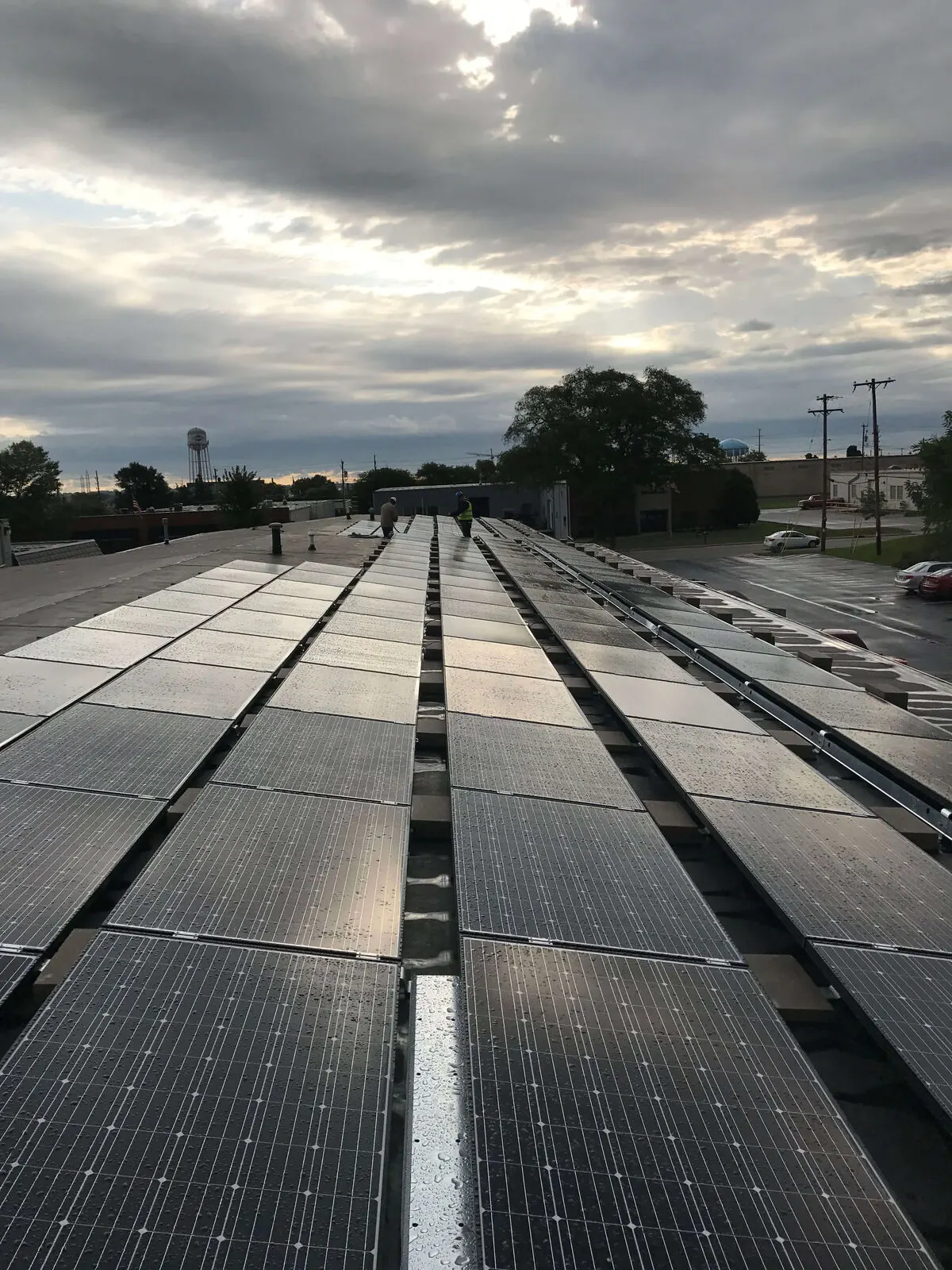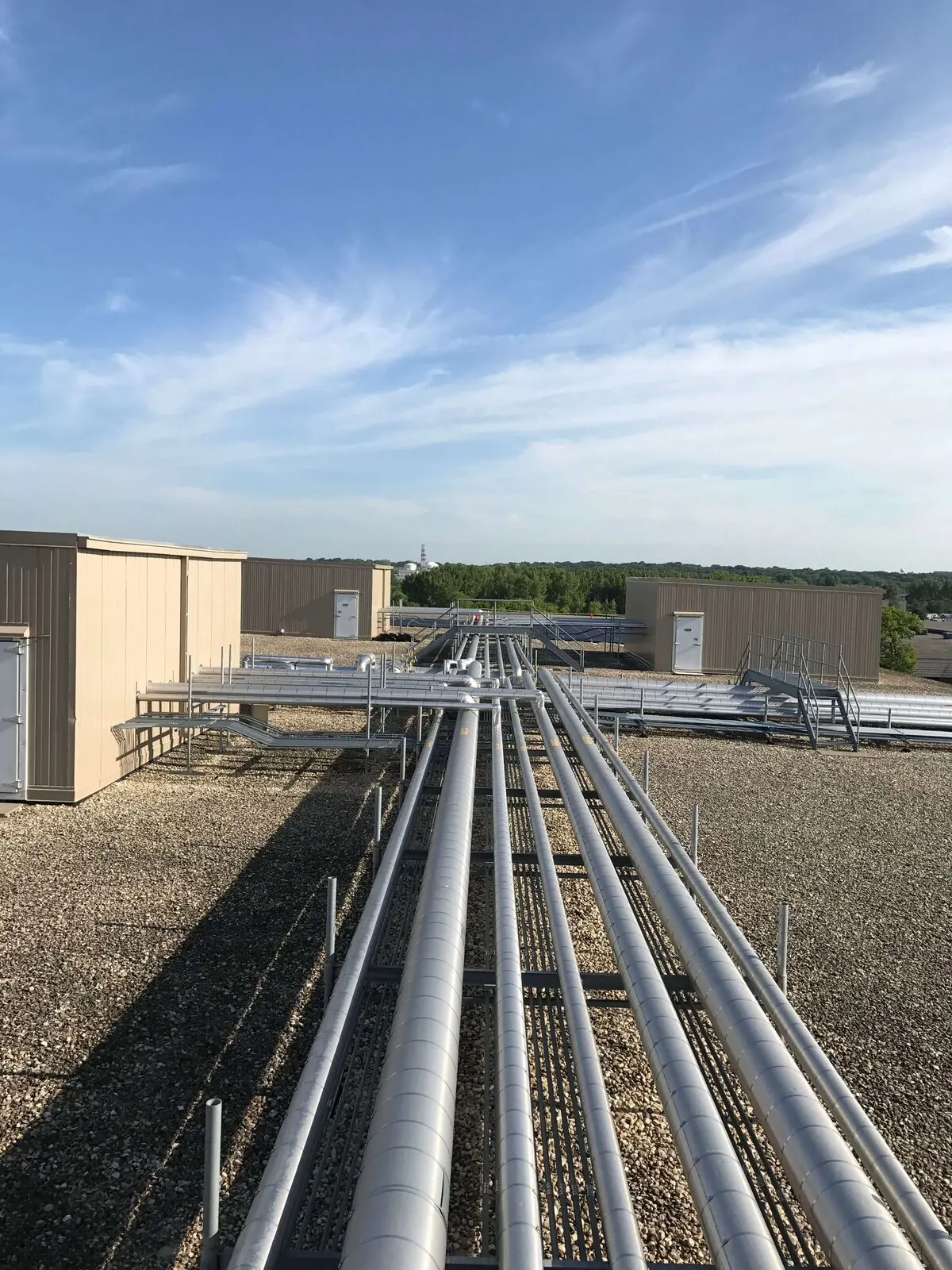
If you have looked into solar recently, you have probably run into the term NEM 3.0, officially called the Solar Billing Plan. It changed how much California's major utilities pay you for the solar energy you send back to the grid, and it is the biggest reason battery storage has gone from a nice-to-have to a serious consideration for most new solar customers.
What Actually Changed With the Solar Billing Plan?
Under the current Solar Billing Plan, the electricity your panels produce is generally worth more when you use it directly in your home than when you export it to the grid. In simple terms, powering your own house with your own solar energy during the day saves you more money than sending that same energy to the utility and buying it back later at night. This shift is exactly why proper system sizing, energy timing, and battery storage now matter more than they used to.
So Do You Actually Need a Battery?
Not every solar customer needs one, and it is worth being honest about that upfront. A battery is not required to install solar. What it does is store the extra solar energy your panels produce during the day so you can use it in the evening, instead of exporting it to the grid for a lower return and then buying power back from the utility after sunset.
Whether a battery makes financial sense for you depends on your usage pattern, your utility rate plan, and how much of your electricity use happens after the sun goes down. A household or business that uses most of its power during daylight hours will see less benefit from a battery than one whose usage peaks in the evening.
The Backup Power Question
A lot of homeowners assume solar panels will keep the lights on during a power outage. In most cases, that is not true. Standard grid-connected solar systems are designed to shut off automatically during a utility outage, for safety reasons, so utility workers are not at risk from power flowing backward into the grid. To actually keep your home running during an outage, your system needs compatible battery storage, transfer equipment, and a backup configuration designed specifically for that purpose. If backup power is a priority for you, say so clearly during your solar consultation, because it changes the system design from the ground up.
Sizing a System Correctly
System size should be based on your actual electricity usage, not a generic estimate. TM Electric & Solar looks at your past usage, available roof space, shading, orientation, and any future electrical loads, like an EV charger, heat pump, or pool equipment, before recommending a system size. Adding any of these later can change how much solar and battery capacity you actually need, which is why it is worth mentioning future plans upfront rather than after the system is already designed.
If you already have, or are planning, home EV charging or a commercial EV charging setup, factor that into your solar sizing conversation. Charging an EV is one of the biggest new electrical loads a property can add, and it directly affects how much solar and battery capacity makes sense.
Will Solar Eliminate My Electric Bill?
Generally, no, and any proposal that promises a completely eliminated bill deserves a second look. Most solar customers continue to receive a bill that may include minimum charges, electricity purchased from the grid during low-production periods, and other utility fees. A trustworthy solar company gives you realistic production and savings numbers based on your actual usage, not an inflated promise designed to close the sale faster.
Is Your Roof Actually Ready?
Before any solar goes up, your roof's age, condition, and remaining lifespan matter as much as your electrical usage. If your roof is approaching the end of its useful life, it makes far more financial sense to replace it before solar installation than to pay later to remove and reinstall the panels for a roof repair. This is one of the most overlooked cost-saving steps in the entire process.
Are There Still Tax Credits Available?
This is a common and important question, and the answer has changed recently. The federal residential clean energy tax credit is no longer available for new expenditures made after December 31, 2025. Other programs, including certain utility, battery, low-income, and commercial incentives, may still be available, but eligibility should always be verified for your specific project before it factors into your financial decision. Do not rely on an incentive that has not been confirmed for your situation.
Buy, Finance, Lease, or PPA: What's the Difference?
Each ownership structure comes with different costs, savings, and responsibilities over time. Buying or financing typically means you own the system and the savings outright, along with the responsibility for maintenance after any warranty period ends. Leasing or a power purchase agreement usually means lower or no upfront cost, but reduced long-term savings and added complexity if you sell your home. Compare the full cost over the entire term of any agreement, not just the first monthly payment, before deciding.
What About Maintenance and Monitoring After Installation?
Solar systems generally require limited routine maintenance, but that does not mean you should install them and forget about them. Production should be monitored so a drop-off gets caught early instead of showing up as a surprise on your electric bill months later. It is also worth having the system checked after severe weather, roof work, pest activity near the equipment, or any unexplained decrease in production. Dust and pollen buildup can reduce output over time, but a real production decline should be diagnosed properly rather than automatically blamed on dirty panels.
Quick Answers to Common Questions
How long do solar batteries actually last? Most batteries carry a manufacturer warranty separate from the panels and inverter, often covering a set number of years or charge cycles, whichever comes first. The exact terms vary by manufacturer and should be spelled out clearly in your proposal, including coverage, exclusions, and the claims process.
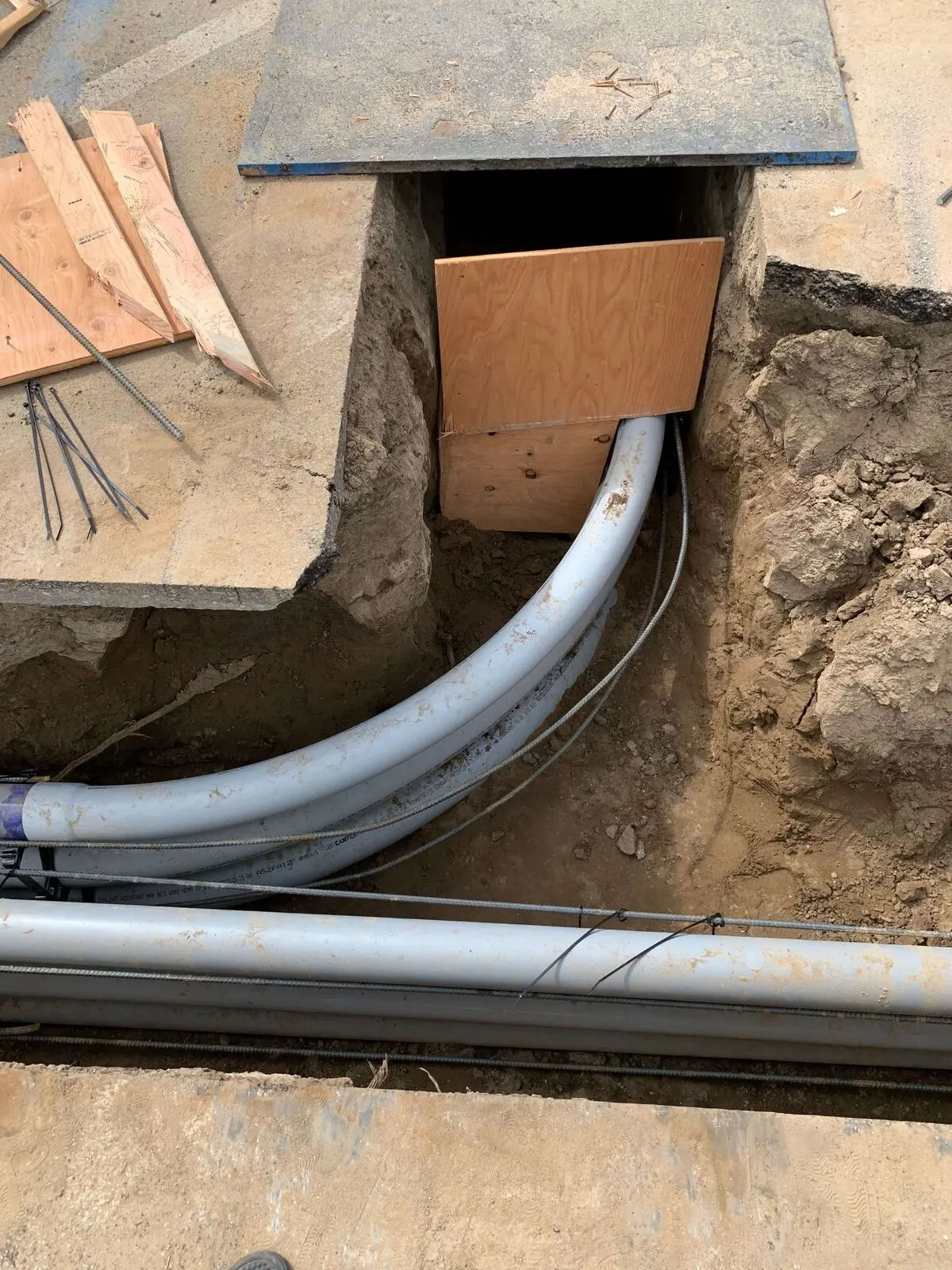
Can I add a battery later if I install solar now without one? Usually yes, but it is worth planning for it upfront. Conduit routing, panel capacity, inverter compatibility, and available space for the battery all affect how easy and how expensive it is to add one later. Mentioning it during your original design, even if you are not ready to buy one yet, keeps that door open at a lower cost.
Does a bigger system always mean bigger savings? Not necessarily. A system sized larger than your actual usage does not generate proportionally more savings, since excess exported energy is worth less under the current billing structure. The goal is a system matched to your real usage pattern, not simply the biggest system your roof can hold.
What happens to my system if I sell my house? An owned system can be an asset that appeals to buyers, but a leased system or one with an outstanding loan needs to be addressed as part of the sale, either through a buyout, a loan transfer, or lease assumption. This is worth understanding clearly before you sign any solar agreement, not after you have a buyer in escrow.
Get an Honest Assessment From Tim
Solar and battery decisions are long-term financial commitments, and they deserve a straight answer instead of a sales pitch. Tim, the owner of TM Electric & Solar, will review your actual utility bills, your roof, and your usage patterns, and tell you honestly whether solar and battery storage make sense for your property, and what kind of savings you can realistically expect. Learn more about our solar panel installation in San Marcos and solar battery storage, or request your free estimate today to schedule your solar assessment.
Ready for a straight answer from Tim?
No pressure, no upsell — just an honest assessment from a licensed local electrician.