Bringing home a new electric vehicle is exciting, right up until you realize the charging cord that came with it will take all night, or longer, to fill the battery. Most EV owners eventually want a Level 2 charger installed at home, and the process is more straightforward than it seems once you understand the basic steps.
Level 1, Level 2, and Fast Charging: What's the Difference?
Level 1 charging uses a standard 120-volt household outlet. It works, but it is slow, often adding only a handful of miles of range per hour. Level 2 charging uses a dedicated 240-volt circuit, similar to what an electric dryer uses, and is the standard choice for home charging because it can fully recharge most vehicles overnight. DC fast charging requires far more electrical power than a typical home has available and is generally reserved for public and commercial locations.
For nearly all homeowners, the real decision is not whether to get Level 2 charging, but how to get it installed correctly.
Do You Need a Panel Upgrade?
This is the question most homeowners worry about, and the honest answer is: not always. A panel upgrade is not automatic just because you have a 100-amp panel or an older home. What actually matters is a proper electrical load calculation, which looks at your panel's capacity, your existing appliances, and what the new charger will add.
Some homes can add a Level 2 charger with no changes at all. Others may need:
- A full panel upgrade to a higher amperage service
- A lower-power charger that fits within existing capacity
- An energy management or load-sharing device that automatically reduces charger output when other major appliances are running
The only way to know which situation applies to your home is an actual assessment, not a guess based on your panel's age or amperage rating alone.
Hardwired vs. Plug-In Chargers
Plug-in chargers connect to a properly installed 240-volt outlet, similar to a dryer outlet, and can be easier to relocate or replace later. Hardwired chargers connect directly to the circuit with no plug in between, which can support higher charging output depending on the equipment. Neither option is automatically better. The right choice depends on your charger's specifications, your garage layout, and how much charging power you actually need.
Why a Permit Actually Matters Here
It might be tempting to skip the permit on a home EV charger installation, especially if it seems like a simple job. Most Southern California cities and counties require a permit and final inspection for Level 2 charger installations, and for good reason. The permit process provides a documented review of the circuit, wire size, breaker rating, and grounding. If something is wired incorrectly and it is never inspected, that risk sits in your garage for as long as you own the home, and it can also complicate a future home sale if a buyer's inspector flags unpermitted electrical work.
Can You Install It Yourself?
Plugging a charger into an already-installed, code-compliant outlet is one thing. Adding a brand-new 240-volt circuit, upgrading a panel, or hardwiring a charger is another matter entirely, and it should be done by a licensed electrician. Mistakes here are not just a code violation risk, they are a fire risk.
Charging Two Vehicles at One Property
If your household has, or plans to have, two electric vehicles, you have a few options: two separate chargers, a dual-port charger, or a load-sharing system that intelligently splits available power between two chargers based on need. This is worth planning for during the original installation, even if the second vehicle is a year or two away, since it is far cheaper to run the extra conduit now than to open the wall again later.
Charging From Solar
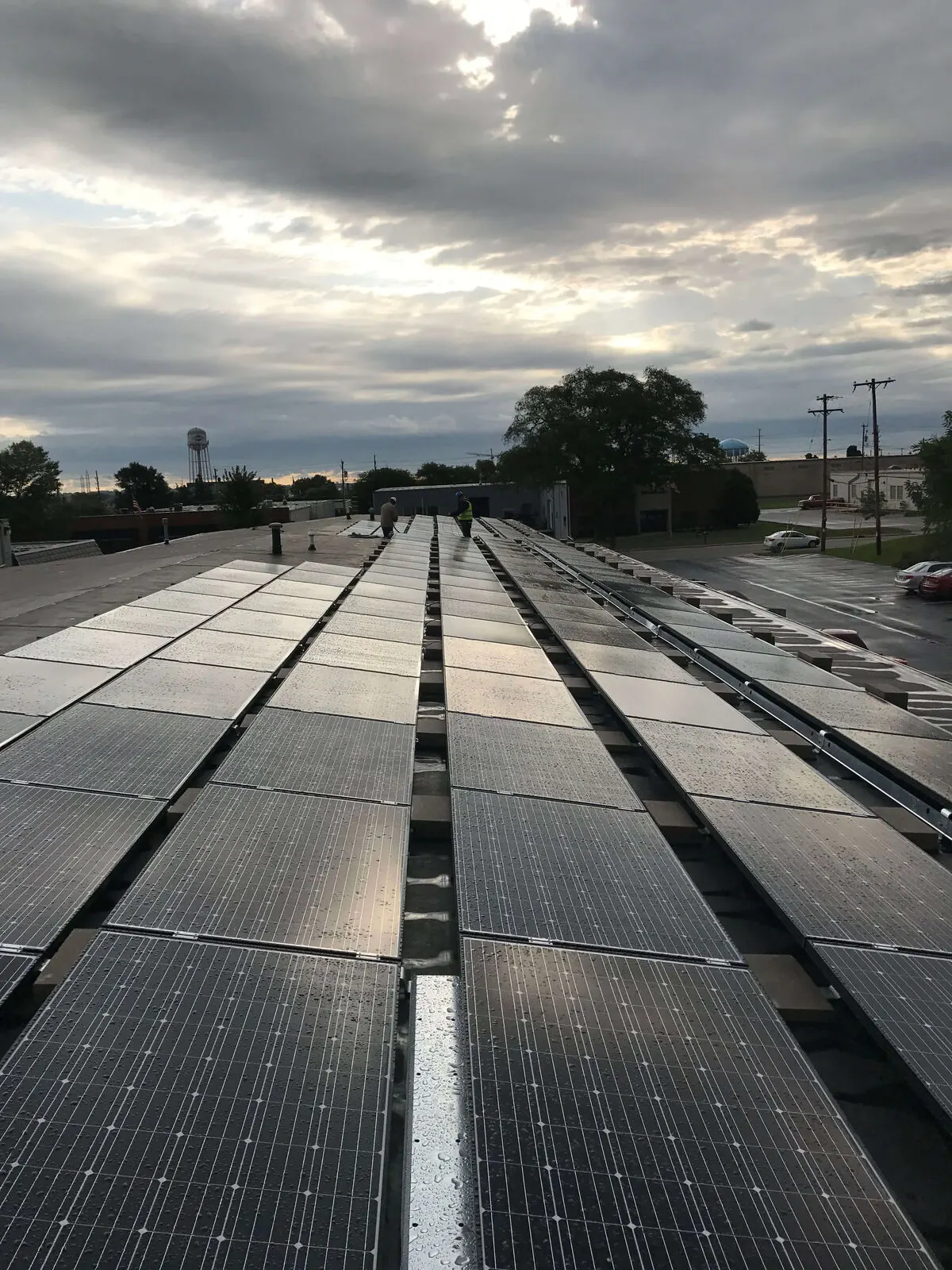
If your home already has solar, or you are considering it, charging your EV during daylight production hours can increase how much of your own solar energy you actually use, rather than exporting it to the grid for a lower credit. Under California's current billing structure, energy you use yourself is generally worth more than energy you send back to the utility, which makes timing your charging schedule around solar production a meaningful way to lower your costs. If you are weighing whether to add solar and battery storage alongside a charger, it is worth having that conversation at the same time as your EV charger assessment.
Future-Proofing Your Installation
Even if you only need one charger today, a well-planned installation accounts for a second vehicle, extra conduit capacity, and panel space for solar or battery storage down the road. A few extra decisions made now, like running slightly larger conduit or leaving panel space open, can save a significant amount of money and disruption later.
What Determines the Cost of a Home Installation
Two homes with the exact same charger can end up with very different price tags, because cost depends on the specifics of the property, not just the equipment:
- Distance from the electrical panel to the parking spot. A garage right next to the panel is a much simpler run than a detached garage or a driveway on the far side of the house.
- Whether a panel upgrade is needed. This is often the single biggest factor, and it is not something you can know for certain until a load calculation is done.
- Wall construction and conduit path. Stucco, brick, and finished walls can all affect how the wiring route is planned and priced.
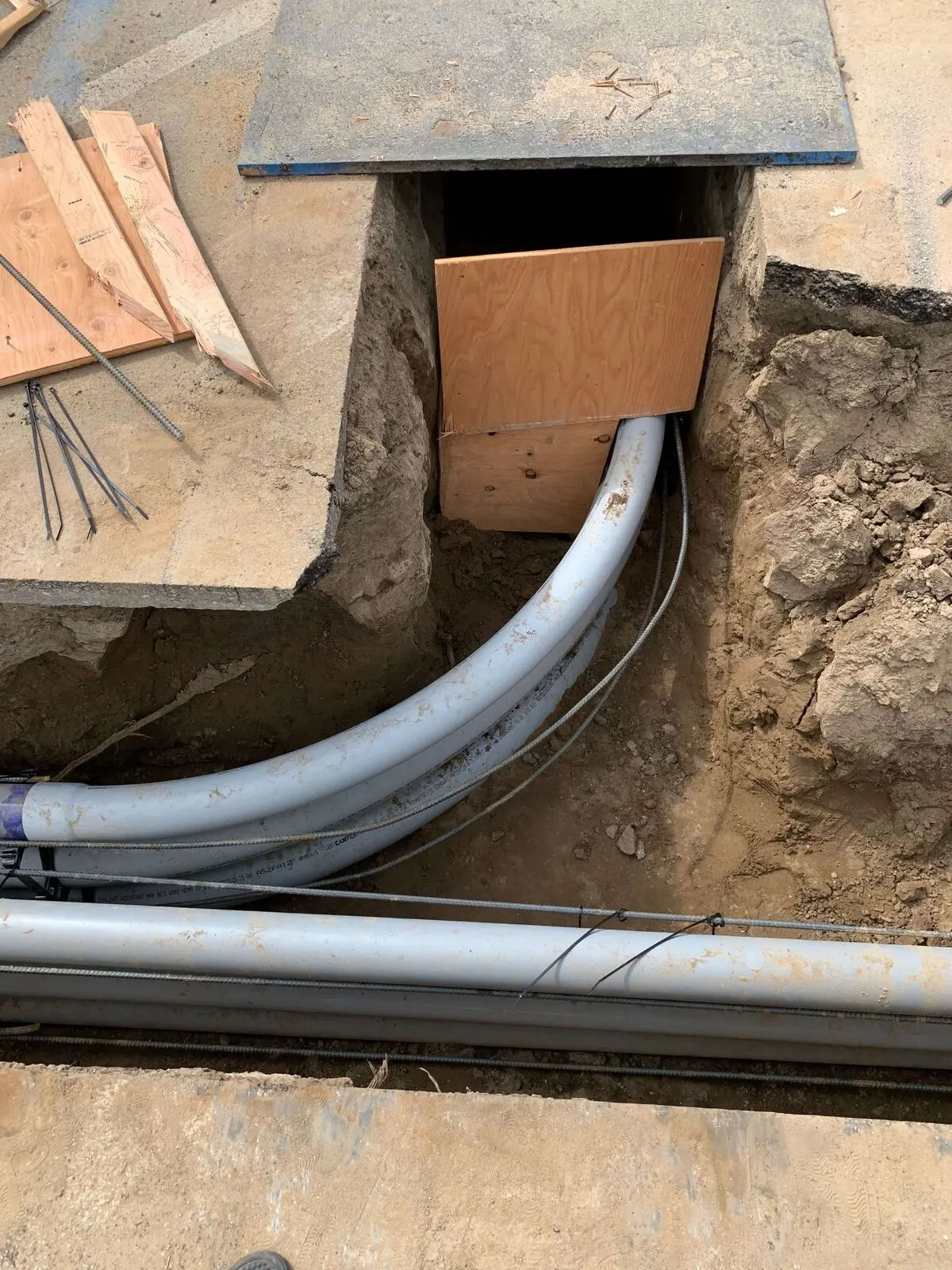
- Trenching, if the charger location requires running power underground, such as to a detached garage.
- Permit fees, which vary by city.
A straightforward installation with an existing nearby panel and no upgrade needed is usually completed in a single visit. Projects involving a panel upgrade, trenching, or a detached structure take longer and cost more, which is exactly why an assessment matters before you commit to a location or a charger model.
Quick Answers to Common Questions
My panel is only 100 amps. Does that automatically mean I need an upgrade? No. Panel amperage alone does not tell the whole story. What matters is how much of that capacity is already being used by your existing appliances. Some 100-amp homes have plenty of room for a charger; others do not. A load calculation gives you the real answer.
Can I just buy a charger online and have someone plug it in? A plug-in charger connected to an already-correct 240-volt outlet can be straightforward. But if there is no existing outlet, or the charger needs to be hardwired, that is new circuit work that should be done by a licensed electrician and permitted, not treated as a simple plug-and-go project.
What if I want a charger in a detached garage? This is very doable, but it usually involves trenching and underground conduit, or a subpanel, depending on distance and existing infrastructure. It is one of the bigger cost factors, so it is worth flagging during your very first conversation.
Is there a rebate available? Sometimes, depending on your utility, your equipment, and current program funding, which changes regularly. Do not build your budget around a rebate until it has been confirmed for your specific situation.
Let Tim Handle the Assessment
Every home is different, and the only way to know exactly what your property needs is a real electrical assessment, not a rule of thumb. Tim, the owner of TM Electric & Solar, will look at your panel, your vehicle, and your plans, and tell you honestly what it will take to get you charging safely and reliably. Request your free estimate to schedule your home EV charger assessment.
Ready for a straight answer from Tim?
No pressure, no upsell — just an honest assessment from a licensed local electrician.