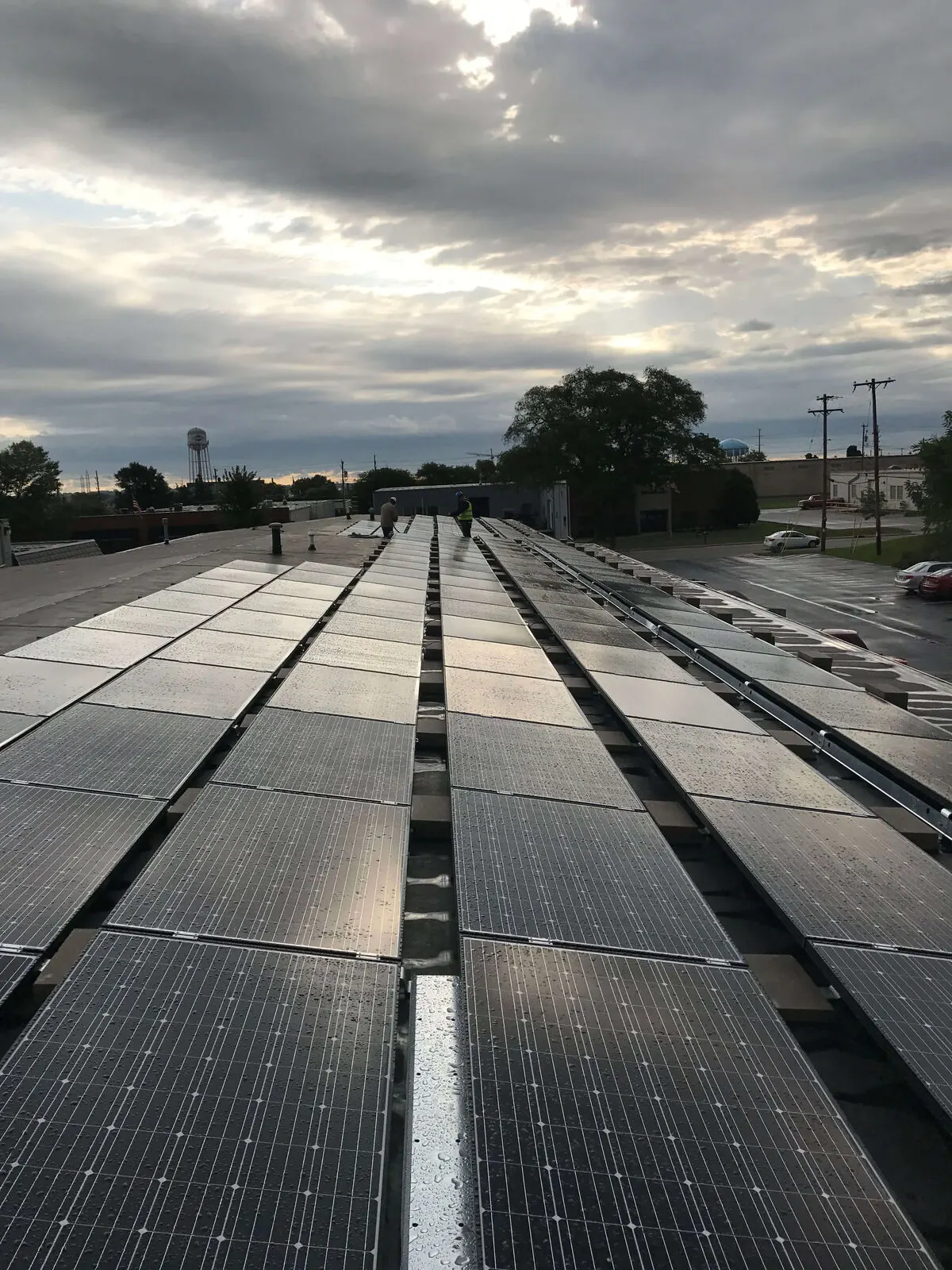
Solar in San Diego County is not the same conversation it was five years ago. Utility rates are higher, the billing rules have changed, and the federal residential tax credit is no longer available for new expenditures made after December 31, 2025. That does not mean solar stopped making sense, it just means the math is more specific to your home than it used to be.
Why Solar Still Pencils Out in 2026
SDG&E is one of the most expensive residential utilities in the country. Even after the shift to the current Solar Billing Plan, most homes that use a significant amount of electricity, especially in the afternoons and evenings, still see a real reduction in their monthly bill from a properly sized solar system. The difference now is that system sizing, usage timing, and battery storage matter far more than they did under older billing rules.
What Actually Determines Your Payback
- Your actual utility usage, not a rough estimate or square footage guess
- Your rate plan and how much of your usage falls into peak evening hours
- Roof orientation, tilt, shading, and available space
- Whether battery storage is included, and how it is sized
- Any current utility, low-income, or commercial incentives you actually qualify for
The NEM 3.0 Reality
Under the current billing structure, energy you use directly in your home is generally worth more than energy you export to the grid. For homes with heavy evening usage, that changes the conversation from just adding panels to whether solar and battery storage together makes sense. It also makes proper system sizing far more important.
What About the Tax Credit?
The federal residential clean energy tax credit is no longer available for new expenditures after December 31, 2025. Some utility, battery, and commercial incentive programs may still be available depending on your project and location. Never build a budget around an incentive that has not been confirmed for your specific installation.
Plan for Future Electric Loads
If you are planning to add an EV charger, heat pump, or pool equipment, mention that during the design conversation. All of those loads change how much solar and battery capacity actually makes sense. If home EV charging is on your list, plan the two projects together instead of separately.
Get a Straight Answer From Tim
The only way to know if solar pays off for your specific home is a real look at your utility bills, your roof, and your usage pattern. See how our San Marcos solar installation process works, or request your free estimate and Tim will give you a realistic picture of savings, timeline, and payback with no sales pressure.
Ready for a straight answer from Tim?
No pressure, no upsell — just an honest assessment from a licensed local electrician.